A practical Pacific Northwest cooling tower maintenance guide covering seasonal inspections, water chemistry, Legionella risk management, water efficiency, recordkeeping, and service planning.
Articles
Microbiologically Influenced Corrosion (MIC): The Hidden Cost of Ignoring Biofilm
By Jacob “Jake” Ashabraner – ASSE 12080 Certified — Legionella (Certificate #64392) – California Pesticide Applicators # 137045 – Oregon Pesticide Applicator # AG-L1086507CPA — Glacier Laboratories, Inc. Key Takeaways What is MIC? Microbiologically influenced corrosion is corrosion affected by the presence or activity of microorganisms, usually within biofilms or deposits on a metal surface. […]
Oxidizing vs Non-Oxidizing Biocides for Cooling Towers: How to Choose the Right Program
Chlorine, bromine, DBNPA, isothiazolinones — the biocide aisle is confusing. Here is a practical selection matrix by pH, temperature, and system conditions.
Cooling Tower Cycles of Concentration: How to Calculate and Optimize COC to Cut Water and Chemical Costs
Cycles of concentration (COC) is the single biggest lever for cutting cooling tower water and chemical costs. Learn how to calculate COC, raise it safely, and avoid the scale and corrosion problems that ambush most facilities.
Understanding Biofilm’s Impact on Cooling Tower Performance
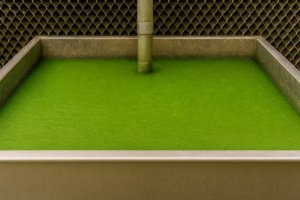
Biofilm cooling tower performance issues are one of the most damaging but often underestimated problems in industrial cooling systems. Biofilm forms as a slime-like layer of microorganisms on heat exchange surfaces, tower fill, piping, basins, and other wetted areas. At first, biofilm may seem like a minor water quality issue. But over time, it can […]
Oil in Cooling Water: Causes, Risks, and Practical Solutions
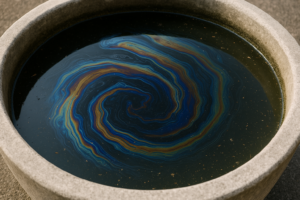
Key Takeaways Oil in Cooling Water Oil in Cooling Water is one of the most common but often missed problems in industrial cooling systems. It can enter the system through a leaking heat exchanger, failed seal, equipment leak, or poor housekeeping. At first, the issue may look small. However, even a small amount of oil […]