Overview
The company, headquartered in Windsor, Connecticut, operates four cooling towers that support production. Previously, the facility used liquid chemical treatments. However, management wanted a safer, more sustainable water treatment program that aligned with long-term environmental commitments.
This aerospace company adopted eco-friendly cooling tower treatment at its Midwest facility to improve safety, cut costs, and meet sustainability goals. The change reduced chemical storage by 75%, lowered operating costs by 15%, and improved workplace conditions.
Objectives of the Cooling Tower Transformation
The company aimed to:
- Maintain or Improve Cleanliness: Keep cooling towers efficient with equal or better performance.
- Eliminate Drum Handling: Reduce risks linked to storing and disposing of large chemical drums.
- Optimize Storage: Minimize the space required for chemical inventory.
- Lower Costs and Impact: Save money while meeting sustainability targets.
Implementation of Eco-Friendly Cooling Tower Treatment
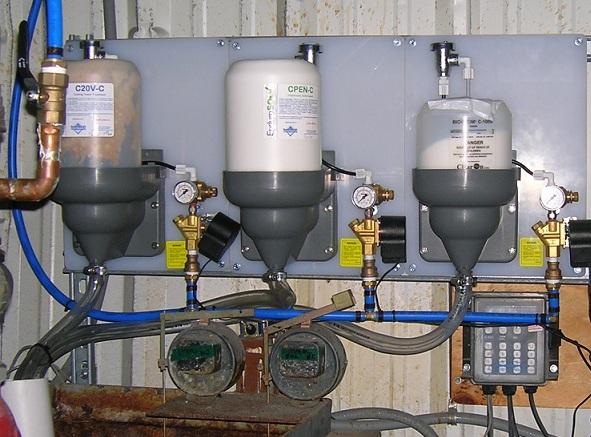
In July 2010, the facility switched from liquid chemicals to a sustainable cooling tower treatment program based on blended solid concentrates. The system included a scale and corrosion inhibitor, a dispersant, and a registered biocide.
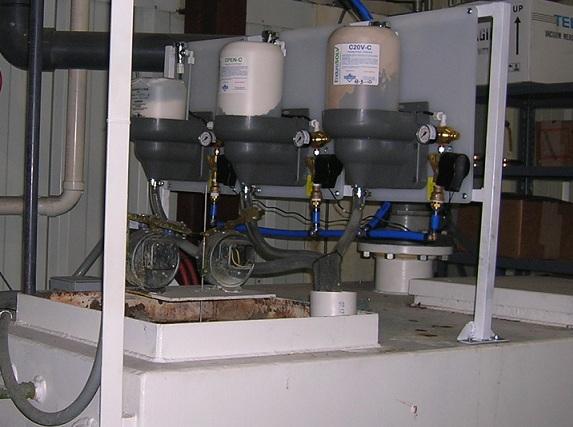
As a result, liquid chemicals were eliminated. The workspace became cleaner and safer. In addition, storage needs dropped by 75%. Operators now handle lightweight recyclable containers instead of heavy drums.
Results of the Sustainable Cooling Tower Treatment Program
Cost Savings: The program matched the cost of liquid systems. When shipping and drum disposal were factored in, the company achieved 15% savings.
Operational Efficiency: Cooling towers maintained high efficiency, with equal or better cleanliness.
Improved Safety and Space: Removing drums lowered handling risks and freed valuable storage space.
Conclusion: Why Eco-Friendly Cooling Tower Treatment Matters
This case study shows how eco-friendly cooling tower treatment can align operations with sustainability goals. The aerospace facility improved safety, cut costs, and reduced its environmental footprint without losing performance.
In conclusion, sustainable cooling tower treatment is not only environmentally responsible but also practical and cost-effective. Other industrial facilities can follow this model to meet environmental targets and boost efficiency.